
Key points
- Repeated attacks, often one-sided
- Common triggers: missed meals, poor sleep, stress
- A headache diary reveals patterns
- Sudden severe headache needs urgent care
What it is
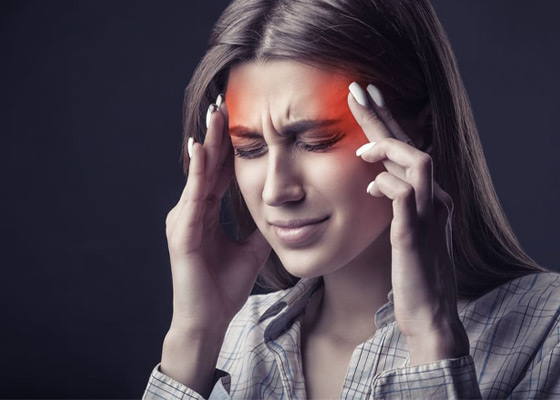
Migraine is a common condition of the nervous system that causes repeated attacks of moderate to severe headache, often on one side of the head. An attack can last from a few hours to a couple of days.
Some people notice warning signs beforehand — flashing lights, zig-zag lines or tingling — called an aura. Migraine is more common in women and often runs in families.
Common signs
- Throbbing or pulsing pain, often on one side
- Nausea or vomiting
- Sensitivity to light, noise or smells
- Visual aura before the headache in some people
- Tiredness and poor concentration for a day afterwards
What can set it off
- Missed meals or too little water
- Too little — or too much — sleep
- Stress, and the let-down after stress (weekend migraine)
- Bright or flickering light and long screen time
- Hormonal changes around periods
- Strong smells, and for some people certain foods or caffeine withdrawal
Everyday care that helps
- Keep regular meal and sleep times, including weekends
- Drink enough water through the day
- Keep a headache diary: date, time, what came before, how long it lasted
- Rest in a quiet, dark room at the first sign of an attack
- Avoid relying on painkillers more than two or three days a week — frequent use can itself cause headaches
When to see a doctor promptly
- A sudden, severe 'worst-ever' headache
- Headache with fever and a stiff neck, or with a rash
- Weakness, numbness, confusion, slurred speech or loss of vision
- Headache after a head injury
- A new headache pattern after the age of 50, or one that keeps getting worse
How we approach it at Gursagar
We look at the whole picture: when your headaches began, their timing and side, what eases or worsens them, and your sleep, digestion, stress and periods. A headache diary brought to the first visit is very helpful.
Dr. Shah prescribes classical homoeopathic medicine chosen for you individually, and reviews the frequency and intensity of attacks at follow-ups. Any other medicines you take are continued unless your treating doctor advises otherwise.
Common questions
Is every one-sided headache a migraine?
No. Several kinds of headache can feel similar. A proper history, and sometimes tests, help tell them apart.
Should I get a scan?
Most migraines do not need a scan. Your doctor will advise one if there are warning signs.
Can I consult online?
Yes — a headache diary is just as useful for an online consultation.

Practising classical homoeopathy since 1999 · Gursagar Homoeopathic Hospital, Rajpura & Chandigarh · Full profile →
Would you like Dr. Shah to look at your case?
Consult in person at Rajpura or Chandigarh, or online from anywhere in India and abroad.
This article is for general health education and is not a substitute for a medical consultation. Every person is assessed individually, and results differ from person to person. Please do not stop or change any medicine prescribed to you without speaking to your doctor. Dr. Randeep Singh Shah, D.H.M.S., AFHom (UK) · Reg. No. 2423-A.